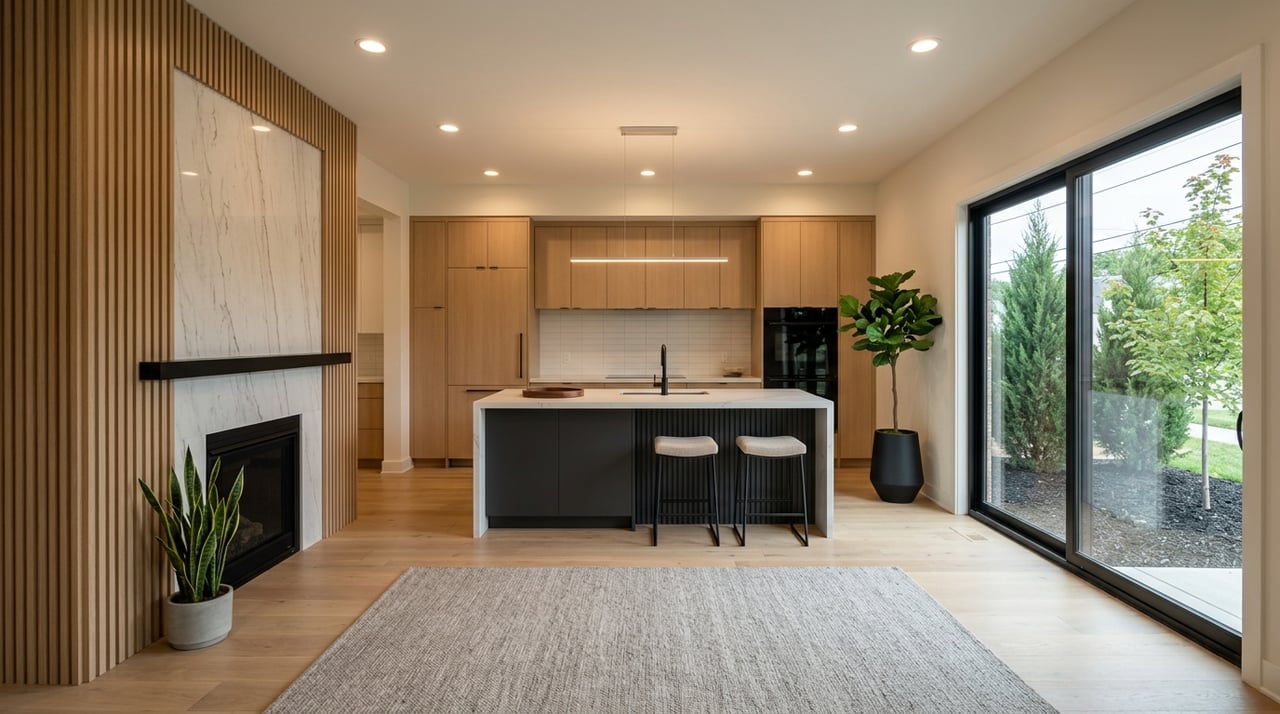
A Smart Guide to Downsizing in Plymouth MN
June 11, 2026
June 11, 2026
Are you starting to look around your house and wonder why you still need all this space? If that thought has crossed your mind, you are not alone. In Plymouth, downsizing is often less about leaving the community you know and more about finding a home that better fits your life today. This guide will help you think through timing, costs, housing options, and how to prepare your current home for a smooth move. Let’s dive in.
Plymouth is a place where many homeowners stay for years, so it makes sense that downsizing becomes a real conversation over time. The city had an estimated 78,942 residents in July 2025, and 75.1% of homes were owner-occupied. About 17.1% of residents were age 65 and older, which points to a sizable group of homeowners who may be thinking about a smaller, easier-to-manage home.
The local housing market also gives many sellers a strong starting point. In April 2026, Plymouth had 259 homes for sale, a median listing price of $525,000, a median sold price of $481,770, and a median of 27 days on market. Another March 2026 market snapshot showed a median sale price of $506,000, up 15.0% year over year, which supports the idea that Plymouth has remained relatively seller-friendly.
Downsizing does not always mean moving far away or giving up the lifestyle you enjoy. In Plymouth, it can mean trading a large two-story home for a smaller detached home, a townhome, a condo, or a senior-oriented rental. The goal is usually simple: less maintenance, a better fit, and more freedom in your day-to-day life.
Plymouth’s long-range planning supports that kind of move. The city’s housing policies specifically note smaller-lot single-family districts for an aging population and attached or higher-density housing to expand life-cycle options. The city has also approved increased density in City Center for multifamily housing and townhouses, which gives homeowners more ways to stay local while changing their housing footprint.
Before you decide when to sell, look closely at how a move could change your monthly costs. In Plymouth, median monthly owner costs are estimated at $2,583 for homes with a mortgage and $920 for homes without a mortgage. Median gross rent is estimated at $1,766, so whether downsizing helps your monthly budget depends a lot on your current mortgage status and what you plan to move into next.
If you own a larger home with little or no mortgage left, a move may not automatically lower your monthly costs. A newer townhome, condo, or rental could reduce maintenance, but the monthly payment structure may look very different. That is why it helps to compare your current ownership costs with the likely payment, taxes, insurance, dues, or rent tied to your next home.
There are a few important checkpoints to review before you list your home. The IRS says eligible sellers may be able to exclude up to $250,000 of gain from the sale of a main home, or up to $500,000 for joint filers, if they meet the ownership and use tests. In general, that means owning and using the home as your main home for at least 24 months of the last 5 years before the sale.
Hennepin County also says homestead status can reduce property taxes if the property is your Minnesota primary residence. To qualify, you must own, occupy, and apply by December 31. The county also says you must notify the assessor within 30 days if you sell, move, or no longer qualify, so it is smart to think about your current and future homestead status early in the process.
One of the biggest advantages of downsizing in Plymouth is that you may not need to leave the city to find a better fit. Local planning supports a mix of smaller detached homes, attached housing, and higher-density options. That variety can make it easier to match your next move to your budget, routine, and maintenance preferences.
If you want a lower-maintenance lifestyle, townhomes and condos may be worth exploring. If you still want a front door and more privacy but less yard work, a smaller single-family home may be the sweet spot. For some homeowners, a senior-oriented rental can offer the simplest transition, especially if flexibility and convenience matter more than ownership.
The city also operates two documented senior housing options through the Plymouth Housing and Redevelopment Authority. Plymouth Towne Square is a 99-unit affordable independent living property for adults 55 and older near City Center, with heated underground parking, a community room, and a library. Vicksburg Crossing is also open to adults 55 and older and includes in-unit laundry, an exercise room, a library, and heated underground parking.
The right downsizing move is not only about the home itself. It is also about how you want to live once you move. Many homeowners are not just looking for less house. They are looking for less upkeep, less driving, and easier access to the things they enjoy.
Plymouth offers strong quality-of-life features that can support that goal. The city says it has 188 miles of city, state, and regional trails and 1,834 acres of park land. Plymouth Metrolink also provides express routes to downtown Minneapolis and the University of Minnesota, along with Click-and-Ride service within the city and connections to select nearby destinations including Ridgedale Center, Colonial Square, Golden Valley Center, Medina and Hamel, and Maple Grove Transit Station.
This is one of the biggest questions homeowners ask. In a market where homes are selling at about asking price on average and median days on market are 27 days, Plymouth sellers may have a solid opportunity. Still, the best timing depends on more than market conditions alone.
You may be ready now if your current home feels too large, maintenance is becoming a burden, or your monthly housing costs no longer fit your goals. You may also be ready if you already know what type of replacement home you want and where you would like to live. If you are unsure about your next step, it can help to map out your options before you list so you are not making rushed decisions later.
When you downsize, the prep process is about more than making your current home look good. It is also the first step in fitting your life into a smaller space. That is why the most effective plan usually starts with your next home in mind.
A smart sequence often looks like this:
This approach lines up with broader staging guidance as well. In a 2025 survey, 91% of agents recommended decluttering, 88% recommended cleaning the entire home, and 77% recommended improving curb appeal. The same survey found that 29% of agents said staging increased the dollar value offered by 1% to 10%, while 49% said staging reduced time on market.
You do not have to overhaul every corner of your home to make a strong impression. The rooms most often staged are the living room, primary bedroom, dining room, and kitchen. Those spaces tend to shape how buyers understand the layout, comfort, and livability of the home.
In practical terms, that means simplifying furniture, clearing surfaces, improving lighting, and creating a clean, open feel. If you have lived in your home for many years, this part can feel emotional. A thoughtful plan and clear priorities can make it much easier.
Downsizing works best when you break it into phases instead of trying to do everything at once. Start with decisions, then move into logistics, and then into market prep. That keeps the process from feeling overwhelming and helps you stay focused on the bigger goal.
A simple downsizing checklist can help:
With the right plan, downsizing can feel less like giving something up and more like making room for what matters most.
If you are thinking about downsizing in Plymouth, having a local plan can make a big difference. From pricing and presentation to timing and next-step strategy, Andy Peterson can help you create a move that fits your goals and keeps the process clear from start to finish.
Stay up to date on the latest real estate trends.
Whether you’re searching for a lakeside retreat or a family home near great schools, Andy Peterson is here to guide you every step of the way. Contact him today to start your journey toward homeownership with confidence.