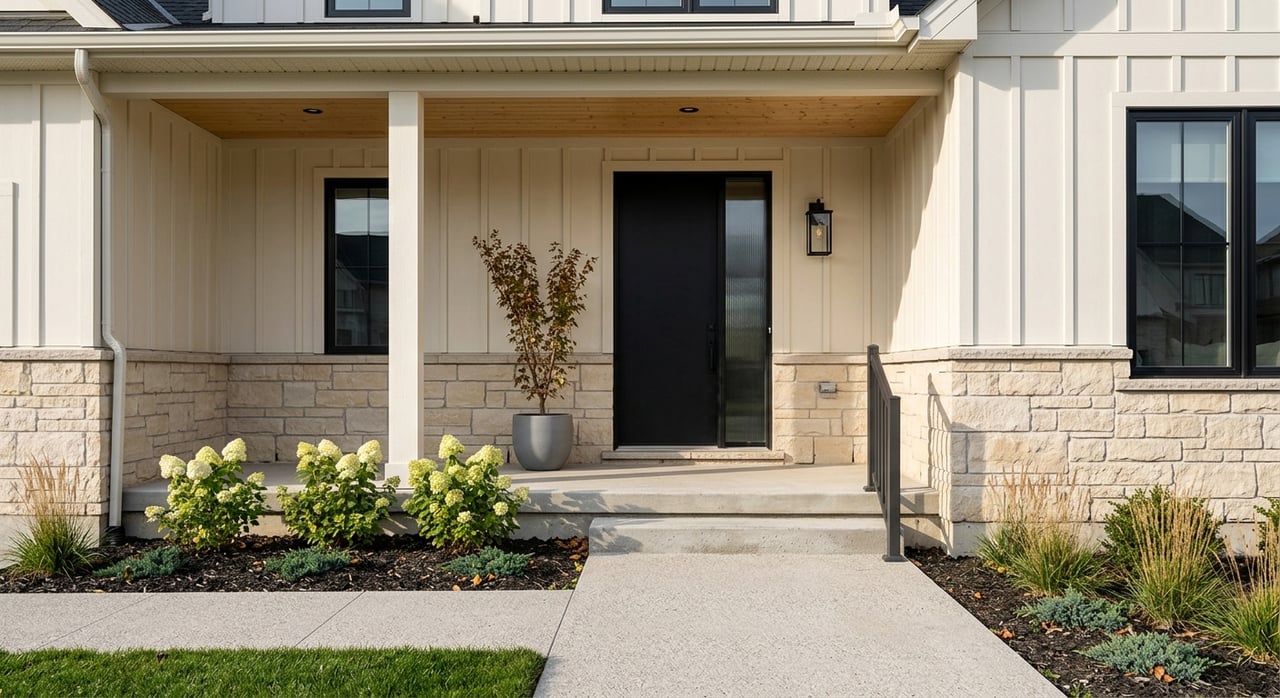
How to Choose the Right Plymouth MN New Construction Home
June 18, 2026
June 18, 2026
Wondering how to choose the right new construction home in Plymouth when the options can feel so different from one area to the next? You are not just picking a floor plan. You are also choosing a setting, a build process, a timeline, and a level of flexibility that can shape how your next move feels from start to finish. This guide will help you sort through where new homes are showing up in Plymouth, what features to compare, and how to make a smart decision with confidence. Let’s dive in.
Plymouth’s new construction story is not limited to one big expansion area. The city continues to see both development and redevelopment, which means you may find new homes in more traditional suburban settings as well as in newer infill and mixed-use areas.
For many buyers, west and northwest Plymouth are the most familiar places to start. These areas are closely tied to the Northwest Greenway, a nearly 315-acre preserve with about 7.7 miles of paved trails that connect to neighborhood parks and the regional trail system. If you want a suburban feel with strong outdoor access, this part of Plymouth deserves a close look.
City Center is another important area to watch. Plymouth describes it as a walkable, pedestrian-friendly core about one mile west of I-494 on Highway 55, and the city updated zoning in 2023 to allow more apartment, townhome, and mixed-use residential development there. If you like the idea of being in a more connected, central setting, City Center may offer a different kind of new construction experience.
The former Four Seasons Mall site is also a major redevelopment area. The city purchased the site in 2021, removed the existing building, and continues to view it as a redevelopment opportunity that may support future transit use. For buyers, that means Plymouth’s housing options may continue to evolve beyond the classic subdivision model.
Before you compare builders or finishes, it helps to get clear on how you want to live day to day. In Plymouth, that often matters just as much as the home itself.
The city reports about 1,834 acres of park land and roughly 186 to 188 miles of trails. Plymouth also offers Metrolink express commuter service to downtown Minneapolis and the University of Minnesota, along with Click-and-Ride service within the city. Those details can have a real impact on your routine, especially if you value trail access, commute options, or a more connected location.
When you answer those questions early, it becomes much easier to narrow your search. You stop comparing every new home and start focusing on the ones that truly fit your goals.
In Plymouth, the most common new construction choices are single-family homes and townhomes. Apartment and mixed-use residential options are more likely to appear in redevelopment areas like City Center.
That difference matters because each home type comes with a different lifestyle tradeoff. A single-family home may give you more space and privacy, while a townhome may offer a lower-maintenance setup and a more compact footprint. Neither is automatically better. The right choice depends on how much space you need, how much exterior upkeep you want, and how you plan to use the home.
Some builders active in the broader Twin Cities market also include one-level villa-style homes in their community mix. Availability changes quickly, though, so it is smart to treat public builder listings as a snapshot rather than a fixed inventory list.
Many new construction floor plans in this market are designed around how people live today. That usually means open-concept main levels, large kitchen islands, walk-in pantries, flex rooms or main-floor offices, loft spaces, upper-level laundry, and primary suites with walk-in closets.
These features are popular for a reason. Open gathering spaces can make everyday living and entertaining easier, while flex rooms give you more options if your needs change over time. Upper-level laundry and practical storage can also make a real difference in day-to-day convenience.
As you compare plans, try to think beyond the model-home first impression. A beautiful kitchen matters, but so does whether the layout fits your morning routine, storage needs, and long-term plans.
If you are deciding between a resale home and new construction in Plymouth, the tradeoffs are usually pretty clear. New construction often gives you newer systems, builder warranty coverage, and more control over finishes and features. A resale home may offer faster occupancy and a more established yard and neighborhood setting.
That is why the best choice is not always the newest home. It is the home that lines up best with your budget, timing, and priorities. If you need to move quickly, a completed or near-complete home may make more sense than building from the ground up.
| Option | Potential Upside | Potential Tradeoff |
|---|---|---|
| Ground-up new construction | More design control, newer systems, builder process | Longer timeline, upgrade decisions, possible lot premiums |
| Quick move-in new construction | New home with faster occupancy | Fewer design choices |
| Resale home | Established setting, often faster move | Older systems, fewer modern layouts |
The local permit and inspection process plays an important role in timing. Plymouth requires a plot plan based on a current survey along with scaled construction plans for new construction permits. Some residential permits can be issued at application, while others may take up to five working days.
During construction, city inspectors review work at stages such as footing, framing, insulation, rough-in, and final. That staged process is one reason ground-up construction typically takes time. Even when everything is moving well, there are multiple checkpoints before closing day.
Builders may also structure communication and site access differently. For example, one builder describes a process with several key meetings during construction, including pre-drywall and pre-closing orientations, while another says site visits are escorted and limited during the build. That is why it helps to ask each builder exactly how updates, walk-throughs, and access are handled.
Clear answers here can save you a lot of stress later. A smooth experience often comes down to good expectations from the start.
Warranty coverage is one of the biggest reasons buyers consider new construction, but not all warranties work the same way. One builder highlights a transferable 10-year limited home warranty with 10-year structural coverage, while another states that its homes carry a one-year limited warranty plus a ten-year limited warranty through Residential Warranty Company.
Just as important, the builder may determine whether an issue is covered by the builder, a manufacturer, or the homeowner. That makes it worth reading warranty materials carefully before you sign. You want to understand what is covered, how service requests are submitted, and what the follow-up process looks like after closing.
A clear warranty process can make ownership feel much easier during your first year in the home.
Even with a brand-new home, an independent inspection is still worth considering. An outside inspector works for you, which gives you another layer of review before closing.
That extra step can help you better understand the home’s condition, identify items to address, and move forward with more peace of mind. If you are comparing a new-build contract with a resale option, inspection terms and financing protections are also important details to review early.
New construction pricing can look simple at first, but the final number often depends on the community, floor plan, homesite, and upgrades. Public builder information in the Twin Cities shows some homes starting in the $300Ks, but Plymouth pricing can vary widely based on what you choose.
That is why base price alone is not enough. Lot premiums, finish packages, structural options, appliances, landscaping details, and HOA costs can all affect the full picture. When you compare homes, ask for a realistic total rather than focusing only on the advertised starting point.
If you want to narrow your options without overcomplicating the process, focus on the filters that matter most in Plymouth. In many cases, the best shortlist comes down to a few practical factors.
When you evaluate each home through that lens, the right choice usually becomes much clearer. You are no longer chasing the newest listing. You are choosing the home that fits your life best.
New construction in Plymouth can be a great option if you want modern layouts, newer systems, and a home that fits your priorities more closely. The key is to compare location, lifestyle, process, and total cost together rather than getting stuck on one model home or one headline price. If you want a local perspective on which Plymouth areas and new-home options best match your goals, Andy Peterson can help you weigh the details and plan your next move with confidence.
Stay up to date on the latest real estate trends.
Whether you’re searching for a lakeside retreat or a family home near great schools, Andy Peterson is here to guide you every step of the way. Contact him today to start your journey toward homeownership with confidence.