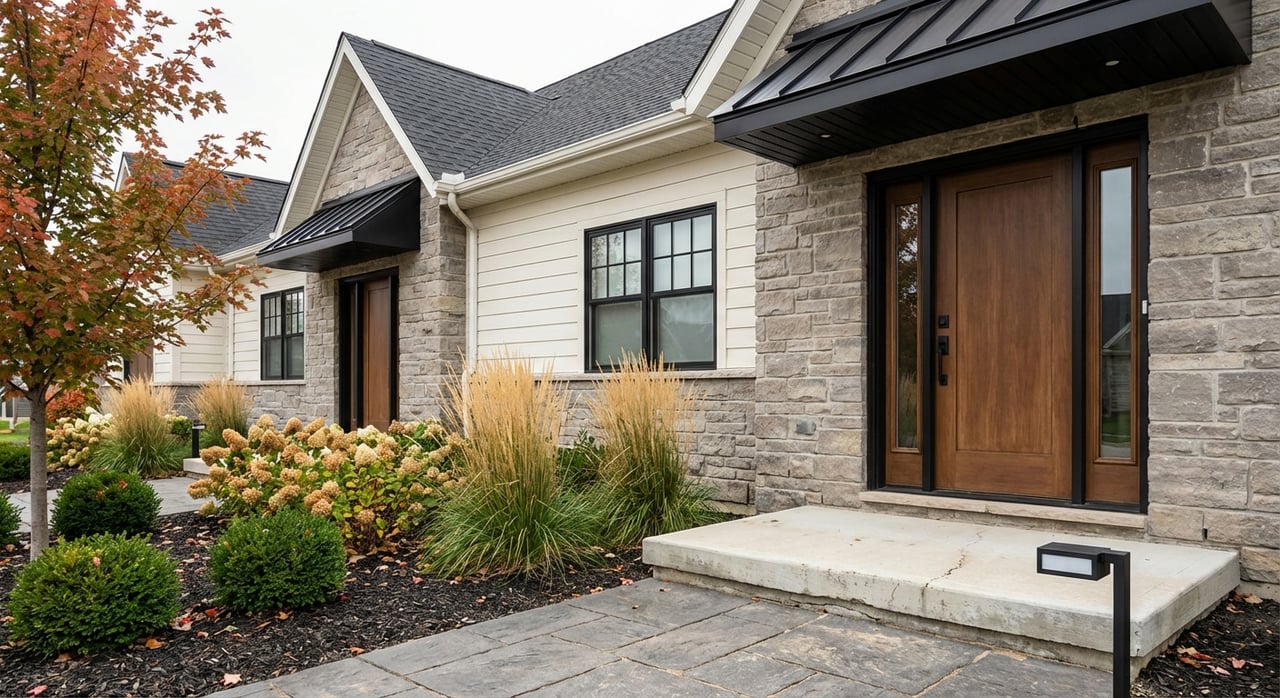
Guide to Buying Plymouth Townhomes and Condos
February 19, 2026
February 19, 2026
Thinking about a low‑maintenance home in Plymouth but not sure if a townhome or condo fits your life and budget? You are not alone. Many West Metro buyers want the convenience, amenities, and price point that attached living can offer, yet they also want clarity on HOA fees, Minnesota rules, and what to watch for before they buy. In this guide, you will get local price ranges, what HOA dues typically cover, key Minnesota protections, lender issues that can affect your loan and resale, and a practical checklist to review before you write an offer. Let’s dive in.
If you are comparing options, here is a quick snapshot of what you will often see in Plymouth:
For context, single‑family homes in Plymouth often sit in the mid‑$490,000s to low‑$520,000s. That gap is one reason many first‑time buyers and downsizers explore condos and townhomes. Statewide data also shows that attached housing can perform differently than detached homes, which matters for pricing and days on market. You can see that difference summarized in the Minnesota Realtors 2024 Annual Housing Market Report.
Prices and monthly dues are market‑sensitive. Use this as a high‑level guide and plan to refresh numbers with a current MLS snapshot when you are ready to shop.
Monthly dues vary by community and amenities. In Plymouth, many condo buildings with heated parking or robust amenities show fees around the mid‑hundreds to several hundred dollars per month, and it is common to see dues near $400 to $800 when pools, gyms, or underground parking are included. Smaller or simpler associations can be lower.
What dues often cover:
Why dues can increase:
Insurance and construction‑cost pressures have affected Minnesota associations in recent years, which can flow through to dues or special assessments. Local reporting highlights this trend and why buyers should review an association’s insurance and reserves closely. For background, see this Minnesota Reformer coverage of HOA insurance and assessments and industry commentary on the multifamily insurance market in Minnesota.
Minnesota’s Condominium Act lays out creation, governance, and purchaser disclosures for common‑interest communities. Before you buy, you should receive a resale disclosure packet that outlines dues, assessments, insurance details, budgets, and any pending projects. Review Minnesota Statutes Chapter 515 for the key framework and disclosure requirements.
Most associations carry a master policy for the structure and common areas. You will still need your own HO‑6 policy for interior finishes, personal property, liability, and importantly, loss‑assessment coverage. Minnesota statutes address how this coverage coordinates with assessments after a covered loss. Ask your insurer to confirm appropriate limits based on the association’s deductible and policy design. See Chapter 65A for insurance coordination details, and refer to current market context in this insurance market overview.
A recent state law created an ombudsperson function within the Minnesota Department of Commerce to assist common‑interest community owners with disputes and guidance. Keep this in mind if you ever need a neutral resource. You can read about the new measures in the state’s 2025 consolidated new laws.
Some loan programs require or prefer project‑level approval or have rules around reserves, owner‑occupancy, delinquencies, or litigation. If you want to use FHA or VA financing, confirm whether the project is approved or if a single‑unit approval is possible. Start by reviewing HUD’s FHA resources so you understand the basics before you tour.
If a project has low reserves, high delinquency rates, or active litigation, your loan options can narrow or require a larger down payment. That can also limit the buyer pool when you sell, which may affect time on market. Your strategy: confirm financing fit early and use document review to spot issues before you are emotionally invested.
Use this list to structure your offer and review period. When possible, make your offer contingent on receipt and professional review of these documents.
Practical steps at and after offer acceptance:
Use this quick decision check:
For a broader market backdrop, the Minnesota Realtors 2024 report shows how attached homes have moved differently than single‑family homes statewide.
If you prioritize entry price and low maintenance, a condo or townhome can be a smart start. Budget HOA dues into your monthly total, insist on the full resale disclosure packet, and make sure your HO‑6 includes loss‑assessment coverage aligned to the association’s deductible.
Look for one‑level living, elevator or low‑rise access, strong amenities, and professional management that covers snow and exterior care. Confirm rules for pets, renovations, and any age or rental policies so your new space fits long‑term plans.
Prioritize professionally managed communities with reliable snow and landscape service, stable budgets, and secure or underground parking. Online portals for dues and maintenance requests add day‑to‑day convenience.
Here is a basic illustration to frame your thinking. Numbers are examples only and will vary by property and lender.
Compare the totals, then decide which lifestyle and cost structure fits your goals.
Choosing a condo or townhome in Plymouth should feel clear and confident, not complicated. If you want a local plan that fits your budget, timeline, and lifestyle, reach out to Andy Peterson for a one‑on‑one consultation and a current MLS snapshot tailored to your criteria.
Stay up to date on the latest real estate trends.
Whether you’re searching for a lakeside retreat or a family home near great schools, Andy Peterson is here to guide you every step of the way. Contact him today to start your journey toward homeownership with confidence.