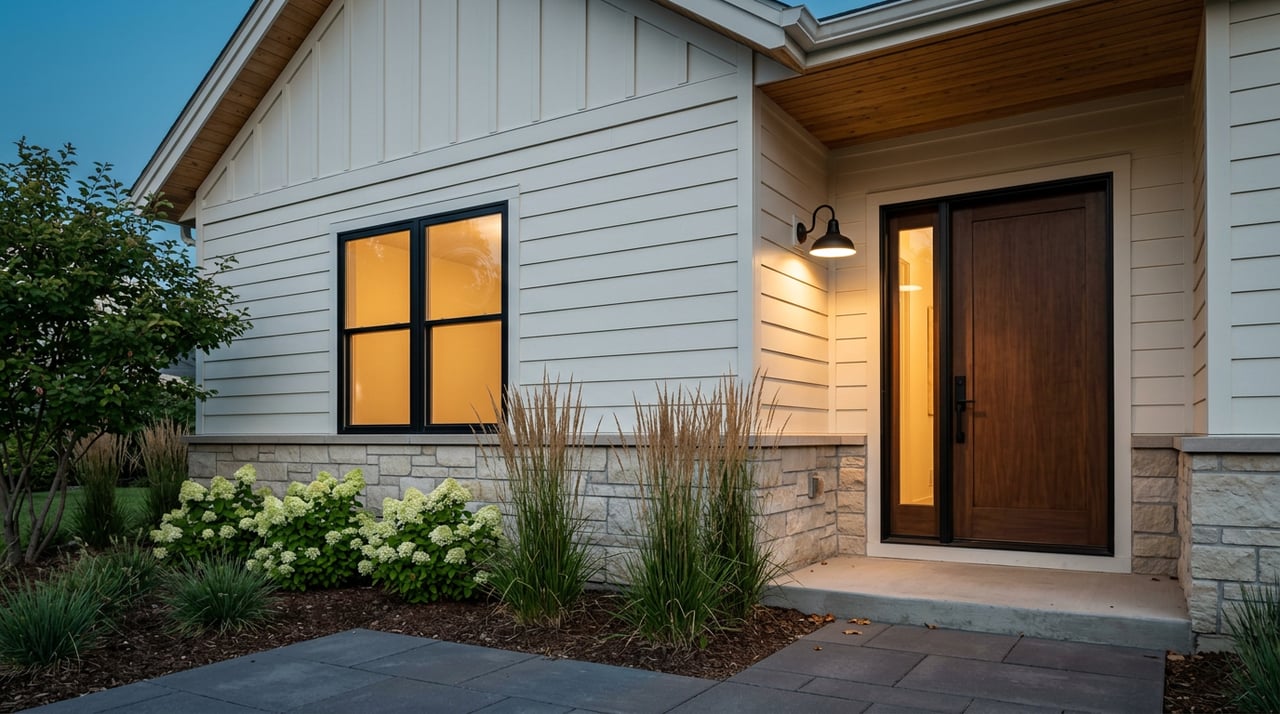
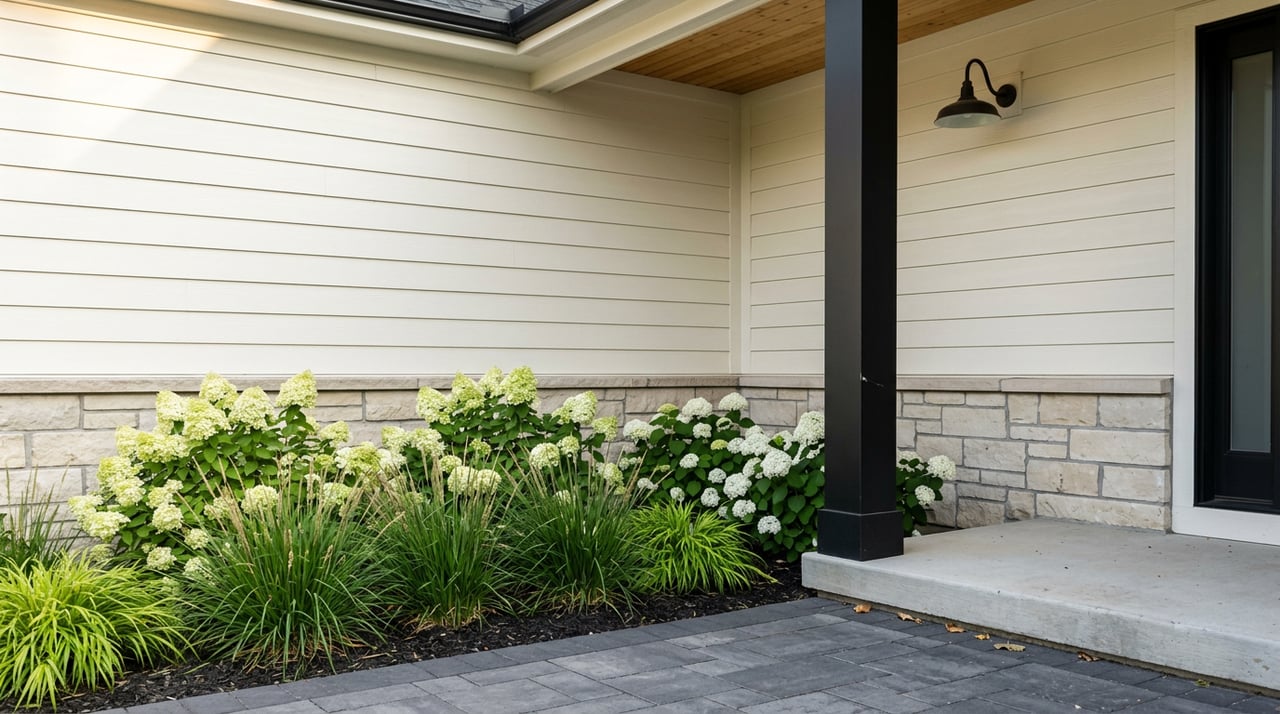
Pricing your home right is the single biggest factor in how quickly you sell and how much you keep at the closing table. If you live in Plymouth, you already know that value shifts from block to block and even across price bands. You want a strategy that balances data, presentation, and timing so you do not leave money on the table or sit longer than you need to. This guide shows you exactly how to set a winning list price in Plymouth, step by step. Let’s dive in.
Know the Plymouth market first
Plymouth sits within Hennepin County and follows broader Twin Cities trends, but hyper-local details matter. School district boundaries, commute routes, lake and park access, and the mix of new construction all influence buyer demand and pricing. Market speed and inventory also vary by neighborhood, property type, and price band. Your pricing should reflect what is happening right around your home and in your price range.
Collect the right data before you price
Pull the freshest numbers you can. Focus on your home type and price band.
- Median and average sale price for the last 3 and 12 months
- Inventory and months of supply near you
- Average days on market and sale-to-list price ratio
- Price per square foot trends for similar age and style
- Nearby new construction that could compete with your listing
Authoritative sources include Northstar MLS for comps and market stats, Hennepin County property records for taxes and lot data, Minnesota REALTORS reports for county and metro trends, and City of Plymouth planning pages for nearby projects. A professional CMA and, when needed, an appraiser’s opinion can validate your final range.
Build a rock-solid comp set (CMA)
Your comparable sales should create a credible value range for your home, not just a single number. Start narrow, then expand only as needed.
Selection rules that keep your CMA on target
- Time window: Favor sales within 90 days in active markets. If the market is slower, extend to 6 to 12 months and note any shifts since those sales.
- Geography: Start with your subdivision or closest streets with similar lots and street feel. Expand outward in small steps like a quarter mile, then a half mile, then a mile.
- Property type and size: Match single-family to single-family and townhome to townhome. Aim for comps within plus or minus 10 to 15 percent of finished square footage.
- Beds, baths, age, quality: Stay within one bedroom and one bathroom when possible. Match year built ranges and level of finish. Adjust for major updates or remodels.
- Lot and setting: Compare similar lot size, privacy, topography, water access or views, and proximity to busy roads.
Use solds, pendings, actives, and expireds the right way
- Solds are the best evidence of value. They show what buyers actually paid.
- Pendings confirm current buyer demand and direction. They can help you assess how aggressive to be.
- Actives are your competition. Watch pricing, days on market, and reductions for cues.
- Expired or withdrawn listings reveal price levels buyers rejected.
What to record for each comp
Capture these details to make clear, supportable adjustments:
- Sold price, list price, days on market, and closing date
- Finished square footage, lot size, bedroom and bathroom counts
- Year built, major updates, and system upgrades
- Basement finish, garage size, deck or patio, and other features
- Location notes like cul-de-sac, busier street, school boundary, and lake proximity
Turn differences into dollars with adjustments
Raw comp prices rarely match your home one to one. Thoughtful adjustments help you compare apples to apples.
Use paired sales to set adjustment values
The paired-sales method compares two very similar homes that differ in just one feature. The price gap shows the feature’s value in your area. Use several pairs to find a reasonable range, then apply conservative adjustments across your comp set.
If you lack enough paired data, apply cautious rule-of-thumb adjustments and disclose the uncertainty. In Plymouth, values can shift by neighborhood and price band, so resist the urge to over-adjust.
Common features that change value
- Finished basement: Often adds meaningful value because it increases usable space. The per-square-foot value of basement finish is usually lower than main level finish.
- Kitchen and bath updates: Modern, well-done updates improve buyer confidence and appeal. Full remodels can command larger premiums in higher price bands.
- Bathrooms and bedrooms: An extra full bath can matter a lot, especially if the home was under-bathroomed compared to nearby listings.
- Garage capacity: A 3-car garage can be a differentiator in suburban and colder climates. Adjust for size and usability.
- Lot size and outdoor space: Larger, more usable lots and water views often carry a premium. Compare against similar lots to quantify.
- Condition and deferred maintenance: Buyers discount for roofs, HVAC, or windows that need near-term replacement. Consider cost-to-cure plus a market inconvenience factor.
- Energy efficiency and smart-home features: May add modest premiums depending on buyer priorities and price tier.
Simple adjustment workflow
- Select your best three to six sold comps.
- Identify differences for each comp and estimate per-feature adjustments using paired sales.
- Adjust each comp to become “subject-equivalent.” Add for inferior features on the comp, subtract for superior features.
- Review the adjusted prices to establish a low, median, and high value range.
- Cross-check your adjusted price per square foot against local trends for a sanity check.
Example: If a recent comp with a similar lot and layout sold for 650,000 but had a fully renovated kitchen that your home lacks, you might reduce that comp by a conservative adjustment for the kitchen to align it with your home’s condition. The exact dollar figure should come from local paired sales or a professional opinion.
Choose a pricing strategy that fits your goals
Your objectives matter. Decide if you want to maximize speed, maximize price, or balance both. Then match your strategy to buyer behavior in your price band.
Three proven strategies
- List at market value: Price at the CMA-supported value. This attracts buyers searching right at that price point and often leads to offers near list.
- List slightly under market: Pricing a few percent below value can create urgency and spark multiple offers when inventory is tight.
- Test above market: Listing high can buy time if you are not in a hurry, but it risks longer days on market and price reductions.
Use buyer search thresholds to your advantage
Portals and MLS filters drive how buyers search. Small moves can expand your audience. For example, 499,900 may appear in more searches than 500,000 because of max-price filters. Review the common search bands in your area and set a price that maximizes visibility without sacrificing value.
Align price with presentation
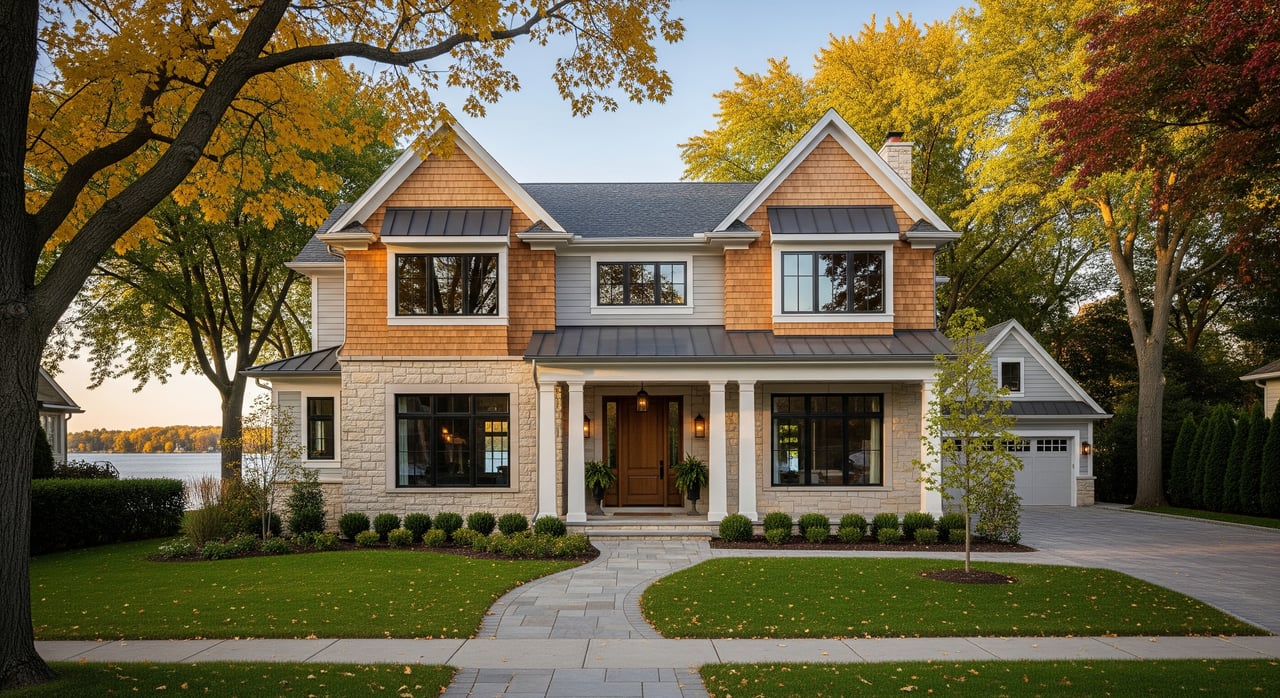
If you plan to price at the top of the comp range or above key competitors, your presentation must justify it. Invest in professional photography, clear floor plans, accurate square footage, and compelling description copy. Highlight upgrades and location benefits so buyers see and feel the value at first glance.
Launch strong, then track the right signals
The first 7 to 14 days are your moment. A well-priced Plymouth listing paired with strong marketing creates a surge of attention that you want to capture.
Weekly metrics to monitor
- Showings per week and inquiry volume
- Agent feedback on price, condition, and presentation
- Days on market versus neighborhood averages
- Price reductions and status changes among competing actives
- New pendings and solds, including sale-to-list ratios
Decision points and timing
- Days 1 to 14: Expect peak traffic. If showings and feedback match neighborhood norms, stay the course. If activity lags well behind similar listings, plan a prompt, modest adjustment.
- Weeks 2 to 4: Reassess price versus fresh comps and buyer feedback. Typical first reductions range from 2 to 5 percent, depending on the market. Also refine photos, staging, and description.
- Days 30 to 45: Consider a more substantial repositioning, incentives, or a reset with a new strategy if traction remains low.
When offers arrive quickly
Do not assume the highest price is the best net. Compare appraisal risk, inspection terms, financing strength, possession timing, and contingencies. The best offer balances price with certainty and a clean path to closing.
Minnesota legal and administrative notes
- Property disclosures: Minnesota sellers typically provide a written property condition disclosure. Review the current state requirements with your agent or attorney.
- Assessments and taxes: Hennepin County assessed values influence buyer perception but do not set market value. Your CMA should drive pricing decisions.
- Concessions, warranties, and pre-inspections: Credits, a home warranty, or a pre-listing inspection can reduce buyer resistance and support stronger pricing in some situations.
Seller-ready checklist
Use this list to get pricing-ready and launch with confidence.
- Get a recent CMA tailored to your neighborhood and price band. If uncertain, consider a pre-list appraisal.
- Tackle obvious maintenance that undermines buyer confidence, such as roof, HVAC, or window issues.
- Complete cost-effective staging and curb appeal: paint, landscaping, lighting, and decluttering.
- Verify accurate square footage, room measurements, and key features like basement finish and garage size.
- Prepare your disclosures and review any assessments or special fees.
- Define your minimum acceptable price, net proceeds target, and ideal closing timeline.
- Create a pricing action plan with decision points for the first 45 days.
How Andy Peterson helps you price right in Plymouth
Pricing is a mix of data, timing, and story. You need a hyper-local expert who can pull the right comps, make credible adjustments, align price with standout marketing, and manage the crucial first two weeks on market. Pair that with thoughtful staging, responsive communication, and skilled negotiation, and you put yourself in the best position to sell fast and for top dollar.
If you want a data-backed pricing plan tailored to your neighborhood, reach out to Andy Peterson. You will get concierge-level guidance on staging and presentation, a consultative pricing strategy, strong marketing distribution, and steady communication from first meeting to closing.
FAQs
How far back should I look for comps in Plymouth?
- In active conditions, start with sales from the last 90 days; in slower periods, expand to 6 to 12 months and note any market shifts.
Should I include active and pending listings when pricing?
- Yes. Sold comps establish value, while pendings show current demand and actives reveal your competition and price positioning.
What is the best way to handle adjustments for features?
- Use the paired-sales method to estimate local values for differences like finished basements or remodeled kitchens, then apply conservative, consistent adjustments.
How do buyer search price thresholds affect my list price?
- Many buyers filter by round-number caps, so pricing just below a common threshold can broaden exposure without undercutting value.
What if my home backs to a busier road?
- Compare to nearby sales with similar road influence and apply a market-supported adjustment that reflects buyer sensitivity in your neighborhood and price band.
How do appraisals influence my pricing decision?
- Price within the range that your comps support so a financed buyer’s appraisal is more likely to match the contract price and keep the deal on track.