Guide to Plymouth MN Family Neighborhoods & Parks
February 5, 2026
February 5, 2026
Looking for a suburb where weekends feel easy, parks are close, and trails connect your routines? If you’re weighing a move to Plymouth, you want a clear picture of daily life for your family. In this guide, you’ll learn how Plymouth’s neighborhoods differ, where to find green space and trails, and which local resources to use as you plan. Let’s dive in.
Plymouth sits northwest of Minneapolis in Hennepin County with a strong suburban feel, lakes, and plenty of parks. You’ll find a mix of older, tree-lined neighborhoods and newer developments with sidewalks and community spaces. According to the U.S. Census QuickFacts, Plymouth’s population is solidly in the tens of thousands; you can review current figures and trends on the official data page for Plymouth city, Minnesota.
Commuting is straightforward for most families. I-494 and US-169 are nearby, so typical drives into Minneapolis or neighboring job centers run about 20 to 40 minutes depending on time of day. Transit options are more limited than in the core city, so many households rely on personal vehicles for school, activities, and errands.
If you want an overview of city services and park programming, start with the City of Plymouth’s official site for updates and calendars.
Every household values different trade-offs. Here’s how Plymouth’s main neighborhood types stack up so you can match your priorities.
These areas feature mid-century single-family homes, mature trees, and larger lots. You’ll often see quiet streets, neighborhood playgrounds, and a steady routine of after-school bike rides. Families appreciate the room for playsets and garages and the close-knit feel that comes with long-standing blocks.
Considerations: Inventory may include fewer new builds, and some homes may call for renovation or ongoing maintenance to match your preferences.
Newer developments blend single-family homes, townhomes, and condos with nearby shopping, dining, and services. Sidewalks and multi-use trails make it easy to reach neighborhood parks or grab a quick dinner without a long drive. You get newer infrastructure and convenient daily routines.
Considerations: Some communities have HOA rules and fees. Yards can be smaller for townhome and condo options, so weigh outdoor space against walkable convenience.
Waterfront pockets, including areas around Medicine Lake, center daily life on boating, paddling, fishing, and evening shoreline walks. These neighborhoods are scenic and offer direct access to lake activities through public launches and community facilities. Families who love water recreation often put these locations at the top of their list.
Considerations: Lake properties typically carry higher purchase prices. Expect more summer activity and traffic in peak season, along with shoreline management rules that protect the water.
On the city’s edges, you’ll find recent construction with cul-de-sacs, modern floor plans, and energy-efficient features. Developers often include greenways and small parks as part of the plan, which makes for easy after-dinner walks.
Considerations: You may see ongoing construction nearby as neighborhoods build out. Some edges sit farther from older retail nodes, so plan slightly longer drives for errands until nearby services expand.
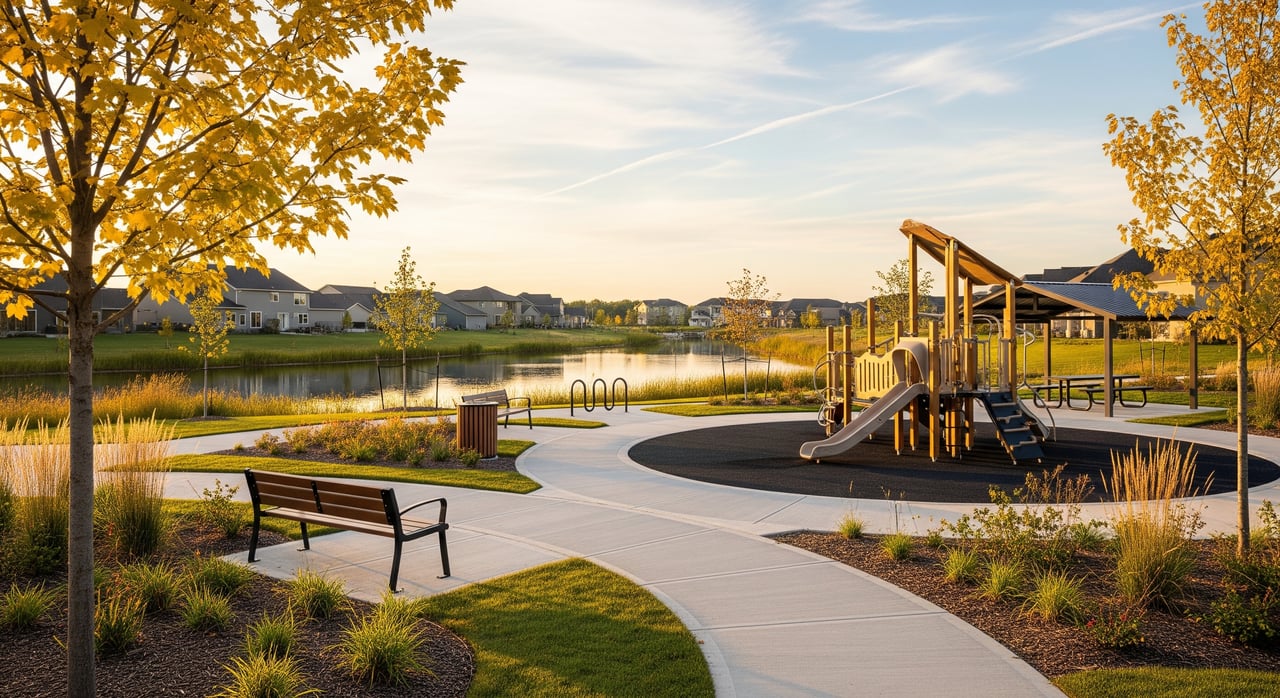
Plymouth is known for its green space. The city’s network of parks and trails supports everything from toddler play to family bike rides. For seasonal programs, shelter reservations, and maps, use the City of Plymouth’s official website for the latest details.
Large natural-area parks managed by the Three Rivers Park District offer longer trail loops, wetlands and wildlife viewing, picnic shelters, and winter cross-country ski routes. These spaces are great for weekend hikes, stroller-friendly walks, and teaching kids to love the outdoors. Explore current park listings, trail conditions, and program schedules through the Three Rivers Park District site.
Neighborhood parks are your everyday go-to. You’ll find play structures for younger and older kids, open lawns for pickup soccer, and benches to catch up with neighbors. Many parks include restrooms and small shelters, and some feature splash-friendly play areas during warm months. Check the city’s parks pages for park locations, hours, and any recent playground updates.
Local lakes are a big draw for families in Plymouth. Medicine Lake is a standout for paddling, fishing, and lakeside picnics. If you plan to boat or fish, consult the Minnesota DNR’s LakeFinder for rules, access points, and species information. It’s a helpful starting point for safety and season-specific guidance.
Sidewalks and multi-use trails link many neighborhoods to parks, schools, and retail pockets. That makes it easier to teach kids to bike in low-traffic areas and to enjoy stroller-friendly loops. Before moving day, review local trail maps and note how your favorite routes connect to nearby destinations.
Winter is very active in Plymouth. You can find cross-country ski routes in regional parks and outdoor skating or indoor ice programs through community facilities. Three Rivers Park District updates seasonal program offerings, so check their site for youth lessons, winter events, and family-friendly trail conditions.
Wayzata Public Schools serve much of Plymouth. Families often look for proximity to elementary schools, access to before and after care, and available preschool options. Because Plymouth spans multiple school boundaries, it’s important to verify your specific address. Start with the Wayzata Public Schools website and use district resources to confirm attendance areas and enrollment steps.
Libraries and community centers add another layer of family support. Hennepin County Library offers storytimes, homework help, and summer reading programs. The city’s parks and recreation calendars list youth classes, day camps, and indoor play options throughout the year, which can be a lifesaver during cold snaps or rainy weeks.
For everyday errands and services, you’ll find grocery, healthcare, and kid-friendly dining across Plymouth and nearby retail hubs. Master-planned areas tend to offer the most walkable access to daily needs, while established and lakefront neighborhoods may rely more on short drives.
Picture a Saturday in an established neighborhood. You start with a short walk to the local playground, grab lunch at a nearby spot, then meet friends for a relaxed backyard playdate. After dinner, an easy family bike ride caps the day.
Now think about a master-planned area. The morning begins with scooters on the trail, a quick stop for groceries and coffee, and an afternoon at the neighborhood park. Dinner is a simple walk to a family-friendly restaurant.
Finally, a lakeside day. Paddle or fish in the morning, picnic under the trees, then round out the evening with a shoreline stroll. When the seasons change, trade paddles for skates or skis and keep the outdoor fun going.
Use this quick guide to match homes and neighborhoods to your routines.
If Plymouth fits your vision, you don’t have to figure it out alone. Get neighborhood-specific guidance, a clear plan for tours, and a strategy that aligns with your timeline. When you are ready to take the next step, reach out to Andy Peterson for local insight and a streamlined, family-first buying or selling experience.
Stay up to date on the latest real estate trends.
Whether you’re searching for a lakeside retreat or a family home near great schools, Andy Peterson is here to guide you every step of the way. Contact him today to start your journey toward homeownership with confidence.