Buying your first home in Plymouth can feel exciting and a little overwhelming. You want a clear plan, a smart budget, and confidence that you are choosing the right house and location for your lifestyle. This guide breaks down each step, from preapproval to closing, with tips tailored to Plymouth and the West Metro. You will learn how to budget, tour homes like a pro, write a strong offer, and navigate inspections and closing. Let’s dive in.
Why Plymouth works for first-time buyers
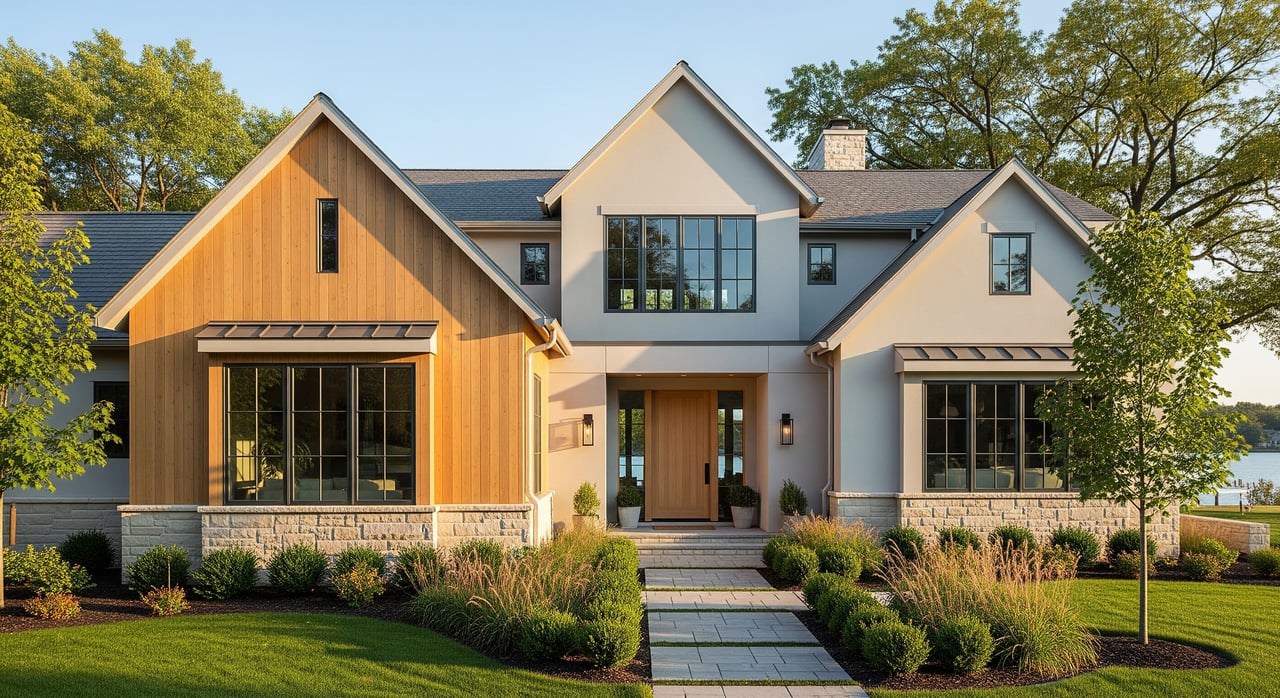
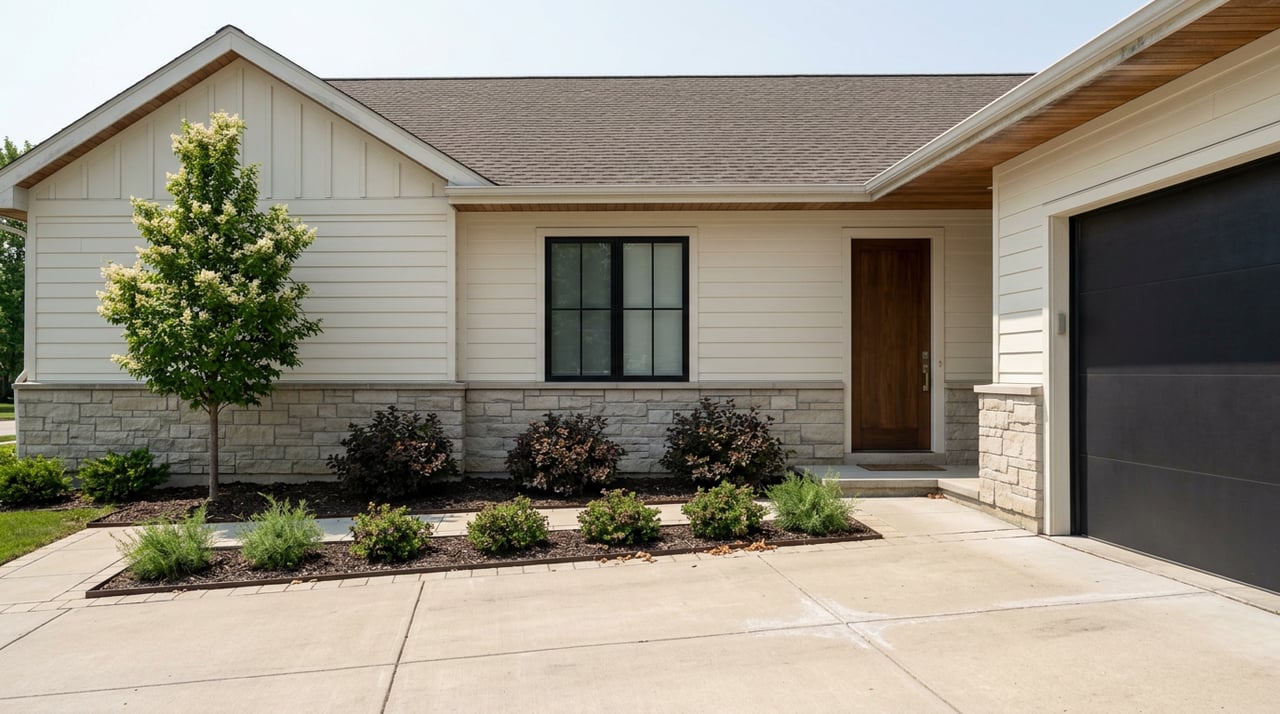
Plymouth sits in the Twin Cities’ West Metro and offers a wide mix of suburban homes, from classic split-levels and ramblers to newer two-story houses. Many neighborhoods are close to parks, lakes, and everyday conveniences, which makes weekend life simple and enjoyable.
If you commute to Minneapolis or nearby suburban job centers, you will appreciate access to regional highways and park-and-ride options. Traffic can be heavier during peak hours, so it is smart to test your commute at the times you would normally drive or take transit. You will find a strong mix of trails, local shopping, and community amenities that make day-to-day living easy.
Build your budget with confidence
Upfront and monthly costs
Your budget has two parts: cash needed to buy and the ongoing cost to own. Plan for these common items and use your lender’s estimates to refine the numbers for your price range.
| Cost category |
Typical range |
Notes |
| Down payment |
3–20% of price |
Depends on loan type and qualifications |
| Closing costs |
2–5% of price |
Lender, title, taxes, insurance, and prepaids |
| Reserves/move |
Buyer-specific |
Repairs, furniture, utility deposits |
| Monthly costs |
Varies |
Mortgage, taxes, insurance, HOA (if any), utilities, maintenance |
Always ask your lender for a written estimate so you know your cash to close and your projected payment.
Credit, income, and preapproval
Different loans have different credit score and debt-to-income guidelines. Conventional lenders often look for scores around 620 or higher, while some programs are more flexible. Lenders typically want your total monthly debts and new housing payment to fit within standard debt-to-income ranges. The strongest step you can take is to get a written preapproval. It verifies income, assets, and credit so you know your true purchasing power and can write a competitive offer.
Down payment assistance
Minnesota offers first-time buyer options that can help with down payment and closing costs. Programs may include affordable mortgages, deferred or forgivable assistance, and required homebuyer education. Check current options with Minnesota Housing and a participating local lender to confirm eligibility and the steps you must complete.
Choose the right loan type
- Conventional fixed-rate mortgage: Competitive rates and the option to remove private mortgage insurance in the future. Often requires stronger credit.
- FHA loan: Lower down payment and flexible credit guidelines. Mortgage insurance is required.
- VA loan: For eligible veterans and service members. Often no down payment and no monthly mortgage insurance.
- USDA loan: Designed for qualifying areas outside dense urban centers and subject to eligibility rules.
- State-sponsored first-time buyer loans: Minnesota programs can pair affordable first mortgages with assistance. Ask your lender how they stack with your goals.
Smart touring in Plymouth
Schedule with your buyer’s agent
Tour with a dedicated buyer’s agent who represents your interests. Your agent will schedule showings, share neighborhood context, and help you compare homes and recent sales. Confirm your representation agreement before you start touring so everyone is clear on roles.
Showing etiquette that wins sellers’ trust
- Be on time and sign in if asked.
- Keep groups small and supervise children or pets.
- Follow house rules and ask before taking photos or opening closed storage.
- Save negotiation questions for your agent, not the listing agent at the home.
What to look for during tours
- Exterior: Roof age, grading and drainage, driveway condition, and visible foundation concerns.
- Interior: Signs of moisture, window condition, flooring and ceilings, and noticeable cracks.
- Mechanical systems: Visible HVAC and water heater ages, electrical panel type, and plumbing fixtures.
- Lifestyle fit: Layout, storage, garage size, yard, and proximity to your daily routes.
- Neighborhood feel: Street noise, nearby parks and trails, and commute routes.
Crafting a winning offer
Pre-offer prep
Have your preapproval ready, know your target and maximum price, and keep earnest money accessible so you can move fast when you find the right home.
Key terms and protections
- Price and earnest money: Earnest money often ranges from 1–3% of the purchase price. The amount can signal strength.
- Contingencies: Financing, inspection, appraisal, and title are common and protect you as a buyer.
- Inspection deadline: Seven to ten business days is common. Adjust to market speed and inspector availability.
- Closing timeline: Many financed deals close in 30–45 days. Define your ideal date early.
- Escalation clause: In competitive situations, it can raise your offer automatically up to a cap. Use it carefully with your agent’s guidance.
- Appraisal gap language: If inventory is tight, some buyers commit to bringing extra cash if the appraisal is low. Understand the risk before you agree.
- Seller concessions: You can request credits for repairs or closing costs. These are negotiable and affect the seller’s net.
Match your strategy to the market
If inventory is limited and multiple offers are common, consider stronger earnest money, tighter timelines, or other terms that increase certainty for the seller. If conditions favor buyers, you can keep fuller contingencies and request repairs or credits. In Plymouth, homes near major amenities or sought-after school areas may draw more interest, so your approach may vary by neighborhood.
From inspection to closing
Typical timeline
- Day 0: Offer accepted and earnest money deposited.
- Days 1–7: Schedule home inspection and any add-on tests.
- Days 7–10: Review results and negotiate repairs or credits.
- Weeks 2–3: Appraisal ordered and completed within lender timelines.
- Weeks 3–5: Final underwriting, clear to close, and schedule signing.
- 24–48 hours before closing: Final walkthrough.
- Closing day: Sign, fund, and record the deed.
Inspections that matter in Minnesota
- General home inspection: The best way to uncover structural and system issues.
- Radon test: Minnesota has elevated radon potential. Testing and mitigation are common and recommended.
- Sewer, septic, and wells: Most Plymouth homes are on city services. If a property has private systems, order specialized inspections and request maintenance records.
- Lead-based paint: For homes built before 1978, read the disclosures and consider testing if you plan to renovate.
- Other specialists: Chimney, mold, or asbestos when the age or condition suggests it.
Appraisal and financing
If the appraisal comes in below the purchase price, you can negotiate a price reduction, bring additional funds, or challenge the appraisal with better comparable sales. Final loan approval requires a clear title, satisfactory appraisal, and verified income and assets.
Closing day checklist
- Complete a final walkthrough to confirm repairs and property condition.
- Bring government-issued ID and follow closing instructions for wired funds.
- Review the Closing Disclosure to confirm charges, tax prorations, and prepaid items.
- After closing, set up utilities and review any homestead exemption steps that apply in Minnesota.
Local tips that save stress
- Test your commute at the times you would normally travel.
- Ask about roof age, insulation, and energy efficiency since winters can be hard on homes and budgets.
- Plan for snow removal and understand local ordinances for sidewalks and driveways.
- Check property assessments with the county so future taxes do not surprise you.
- If schools are a factor, confirm attendance boundaries directly with the district before you write an offer.
Ready to take the next step? If you want a calm, step-by-step path from preapproval to keys, reach out to Andy Peterson. You will get local guidance tailored to Plymouth and a clear plan to win the right home.
FAQs
How much cash do first-time buyers in Plymouth need?
- Most buyers plan for a 3–20% down payment plus 2–5% in closing costs. Your exact numbers depend on loan type, price point, and whether you use assistance.
Should I get preapproved before touring homes in Plymouth?
- Yes. A written preapproval verifies income, assets, and credit, which clarifies your budget and strengthens your offer when you find the right home.
What inspections are recommended for Minnesota homes?
- A general home inspection, a radon test, and system-specific checks for wells or septic if present. Add chimney, mold, or asbestos inspections as needed.
How long from offer to closing on a Plymouth home?
- Most financed purchases close in 30–45 days, depending on inspection negotiations, appraisal timing, and lender and title processing.
Which contingencies are most important for first-time buyers?
- Financing, inspection, appraisal, and clear title are the key protections. Your agent can tailor timelines and terms to market conditions.