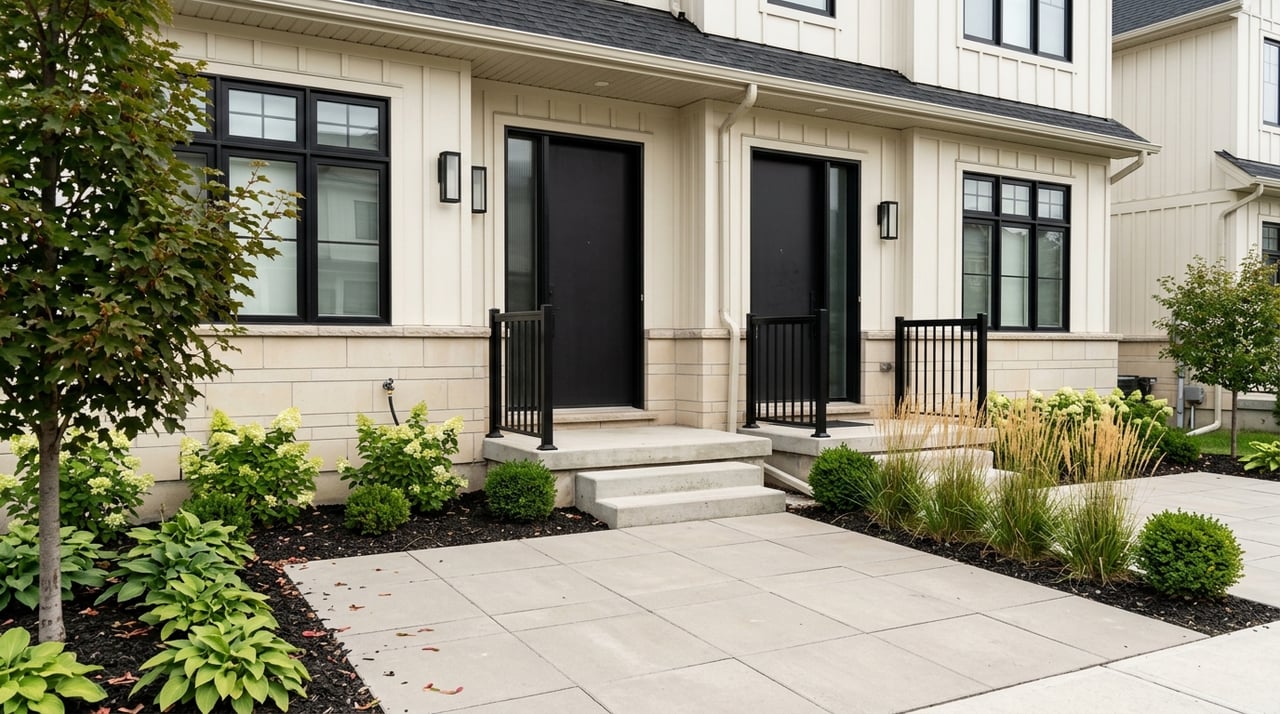
What to Know About Plymouth MN HOA Homes Before You Buy
June 25, 2026
June 25, 2026
Buying into an HOA in Plymouth can feel simple on the surface, then surprisingly complex once you look at the paperwork. You may love the idea of lower-maintenance living, shared amenities, or a tidy neighborhood feel, but you also want to know what the dues really cover and what rules come with them. The good news is that Minnesota gives buyers important disclosures and a clear framework for common interest communities. If you are thinking about a condo, townhome, or another association-governed property in Plymouth, this guide will help you ask better questions and make a more confident decision. Let’s dive in.
In Plymouth, association living is usually part of what Minnesota calls a common interest community, or CIC. This umbrella category can include condos, townhomes, planned communities, and in some cases even detached single-family homes with shared obligations.
That matters because not every HOA works the same way. Some communities have shared roofs, hallways, and exterior maintenance, while others may focus more on landscaping, amenities, or common land. The exact structure depends on the community’s legal documents, so it is important to confirm how a specific Plymouth property is set up before you move forward.
Plymouth’s Housing Division supports a broad range of housing options, which helps explain why buyers here may come across many different association models. If you are comparing homes across Plymouth, it helps to think of HOA living as a housing style with shared responsibilities, not a one-size-fits-all setup.
In Minnesota, the association is generally responsible for the common elements unless the declaration says otherwise. That often means areas or components shared by owners, such as exterior spaces, roofs, landscaping, hallways, or amenities.
The board is also required to prepare a written preventative maintenance plan, a maintenance schedule, and a maintenance budget for common elements. Owners have a right to access those materials, which makes them useful documents for buyers who want to understand how proactively a community plans for upkeep.
The association may also have the right to enter a unit in some situations. That can include performing maintenance or addressing safety or legal hazards, depending on the governing documents and the circumstances.
Even in a well-run association, HOA living does not mean you stop being responsible for your home. By default, Minnesota law places responsibility for the individual unit on the unit owner unless the declaration shifts part of that responsibility.
That is why two homes with similar monthly dues can still feel very different in practice. One association may cover more exterior or shared structural items, while another may leave more responsibility with each owner. The declaration and rules will tell you where those lines are drawn.
This is especially important if you are comparing a condo with a townhome or a planned community with detached homes. The monthly number alone does not tell you enough. You need to know what the dues buy you and what work or cost still lands on your side.
Insurance is one of the biggest areas of confusion for buyers. Minnesota law requires associations to maintain property insurance and commercial general liability insurance to the extent reasonably available.
In communities with shared walls, roofs, or contiguous structures, the association’s policy generally covers common elements and shared structures. But the law also allows some interior items and unit-specific finishes to be excluded.
Those possible exclusions can include:
This means you should not assume the HOA policy covers everything from the studs in. You will want to review what the association insures, what the documents say about deductibles, and what coverage you may need personally.
An HOA is not only about maintenance. It also has governance and rule-making authority.
Under Minnesota law, boards can regulate the use, maintenance, repair, replacement, and modification of common elements and units. They can also impose service fees, late charges, interest, and reasonable fines after notice and an opportunity to be heard.
For you as a buyer, that means lifestyle fit matters just as much as the floor plan. Before you make an offer, review the rules and ask whether there are restrictions that could affect how you use or modify the home or common areas.
Minnesota law also requires annual meetings, annual reports, and notice periods for meetings. That gives you another way to evaluate the community. You are not just buying a property. You are buying into a system of budgeting, maintenance, and decision-making.
HOA dues are more than a convenience fee. They fund the association’s common expenses and reserves.
Minnesota law says assessments must be levied at least annually based on an association-approved budget. In practical terms, that means a healthy association should be able to show you how dues are being used for day-to-day operations and long-term replacement needs.
When you review a Plymouth association, ask how much of the monthly dues goes toward:
A lower monthly fee can look attractive at first. But if reserves are thin or major expenses are coming, lower dues today may not mean lower cost over time.
Replacement reserves are one of the clearest signs of how an association plans ahead. Minnesota law requires associations to budget reserves that are adequate for replacing components that wear out or become obsolete, keep reserve funds separate from operating funds, and reevaluate reserve adequacy at least every third year after the declaration is recorded.
That is a big deal for buyers. Strong reserve planning can help reduce the risk of sudden financial pressure when large repairs or replacements come up.
The annual report must also disclose key financial details, including major capital expenditures, total replacement reserves, amounts set aside for each component, prior-year revenues and expenses, the balance sheet, pending litigation or judgments, and insurance coverage. If you want a clearer picture of a Plymouth HOA’s financial health, this report is one of the first places to look.
Special assessments are one of the biggest buyer concerns, and for good reason. Minnesota allows them only in limited situations, such as emergencies, underfunded replacement reserves, unbudgeted capital or operating expenses, or certain replacement-funding scenarios allowed by the declaration and statute.
That does not mean they are rare enough to ignore. It means you should ask direct questions before you buy.
A smart due diligence checklist includes:
Unpaid assessments can also become a lien against the unit, and the association can foreclose that lien under state law. That is why the unit’s current assessment status matters so much in resale transactions.
For a resale purchase in Minnesota, the seller must provide a package of association documents. This includes the declaration, articles of incorporation, bylaws, rules and regulations, amendments or supplemental declarations, and a resale disclosure certificate dated no more than 90 days before the purchase agreement or conveyance, whichever comes first.
If the property is subject to a master declaration, the master association documents must also be included. The association must furnish the resale disclosure certificate within ten days after request, and it may charge a reasonable fee.
These documents define the real cost and lifestyle of the community. At minimum, you should review:
Minnesota gives buyers an important cancellation protection tied to association documents. If the required information is not delivered more than ten days before the purchase agreement is signed, you may cancel within ten days after receiving it.
There are also rules around waiving or modifying that rescission right. Any waiver or modification must be separate from the purchase agreement and signed more than three days after receipt of the resale disclosure certificate.
For buyers in Plymouth, this protection creates space to slow down and review the details. If the documents arrive late, you still have a legal window to evaluate the association before staying locked into the transaction.
When you tour an HOA property, it is easy to focus on layout, updates, and monthly dues. The better approach is to pair the home tour with a clear set of association questions.
Here are some of the most useful ones:
If you are comparing several Plymouth communities, these answers can reveal more than the listing sheet ever will.
The best way to compare association properties is to look at total ownership experience, not just price and monthly dues. A home with higher dues may offer stronger reserves, more predictable maintenance, or broader shared coverage.
On the other hand, a home with lower dues may still be a solid option if responsibilities are clearly limited and future costs are well understood. The key is not to assume that cheaper dues equal a better value.
As you weigh options in Plymouth, focus on four things:
That is where a careful review can protect both your budget and your peace of mind.
If you are considering an HOA, condo, or townhome in Plymouth and want help reading the practical side of the documents, Andy Peterson can help you compare communities, spot red flags, and move forward with confidence.
Stay up to date on the latest real estate trends.
Whether you’re searching for a lakeside retreat or a family home near great schools, Andy Peterson is here to guide you every step of the way. Contact him today to start your journey toward homeownership with confidence.